Explore the Mojave Desert: Ultimate Guide to Tours
- Mojave Walks
- Jun 8
- 3 min read

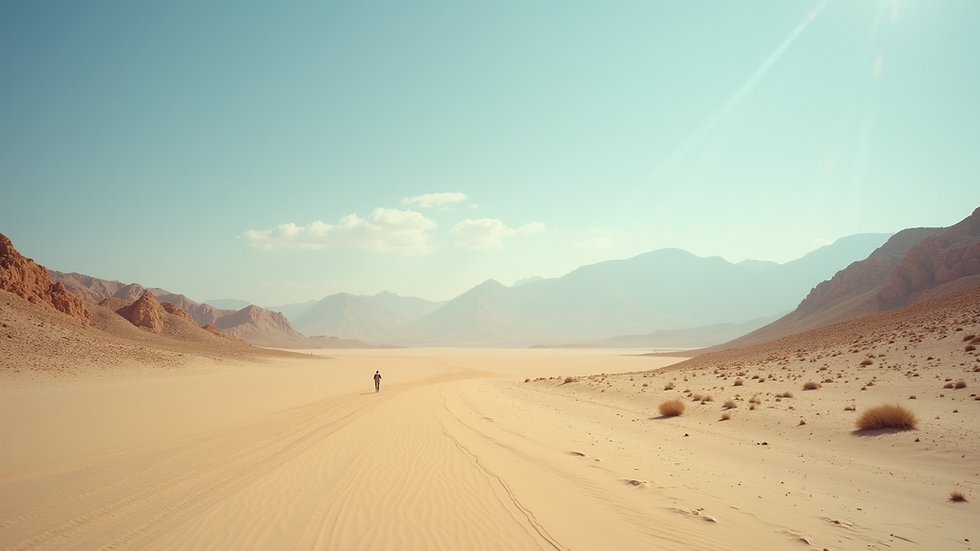
The Mojave Desert is a vast and stunning landscape that offers a unique blend of natural beauty, adventure, and history. Stretching across California, Nevada, Utah, and Arizona, this desert is home to some of the most breathtaking scenery in the United States. From the iconic Joshua trees to the mesmerizing rock formations, the Mojave Desert is a paradise for outdoor enthusiasts and nature lovers alike. In this ultimate guide, we will explore the best tours available, what to expect, and tips for making the most of your Mojave Desert experience.

Understanding the Mojave Desert
Geography and Climate
The Mojave Desert spans approximately 25,000 square miles and is characterized by its arid climate, which features hot summers and mild winters. The average temperature can soar above 100°F in the summer months, while winter temperatures can drop to around 30°F at night. Rainfall is scarce, averaging about 5 inches per year, making it essential to plan your visit accordingly.
Flora and Fauna
The Mojave Desert is home to a diverse range of plant and animal life. Some of the most notable flora includes:
Joshua Trees: These iconic trees are unique to the Mojave and can grow up to 40 feet tall.
Cacti: Various species of cacti thrive in this desert, including the tall saguaro and the smaller barrel cactus.
Wildflowers: In spring, the desert comes alive with colorful wildflowers, creating a stunning contrast against the arid landscape.
The fauna includes species such as the desert tortoise, bighorn sheep, and various reptiles and birds. Wildlife enthusiasts will find plenty to observe and photograph.
Types of Tours Available
Guided Tours
For those looking to explore the Mojave Desert without the hassle of planning, guided tours are an excellent option. These tours often include transportation, knowledgeable guides, and a well-planned itinerary. Here are some popular guided tour options:
Jeep Tours: Experience the rugged terrain of the Mojave in a 4x4 vehicle. These tours often take you off the beaten path to discover hidden gems.
Hiking Tours: Join a guided hiking tour to explore the best trails in the area. Guides provide insights into the local flora and fauna, as well as the history of the region.
Photography Tours: Perfect for photography enthusiasts, these tours focus on capturing the stunning landscapes and wildlife of the Mojave Desert.
Self-Guided Tours
If you prefer to explore at your own pace, self-guided tours are a great option. Many visitors choose to rent a vehicle and navigate the desert on their own. Here are some tips for a successful self-guided tour:
Plan Your Route: Familiarize yourself with the main attractions, such as the Kelso Dunes, the Mojave National Preserve, and the historic Route 66.
Bring Supplies: Ensure you have plenty of water, snacks, and a first-aid kit. Cell service can be spotty in remote areas, so consider downloading maps offline.
Respect the Environment: Stay on designated trails and avoid disturbing wildlife. The Mojave Desert is a fragile ecosystem that requires protection.
Must-See Attractions
Joshua Tree National Park
Although technically not part of the Mojave Desert, Joshua Tree National Park is located nearby and is a must-visit for anyone in the area. The park is famous for its unique Joshua trees, stunning rock formations, and diverse ecosystems. Popular activities include rock climbing, hiking, and stargazing.
Kelso Dunes
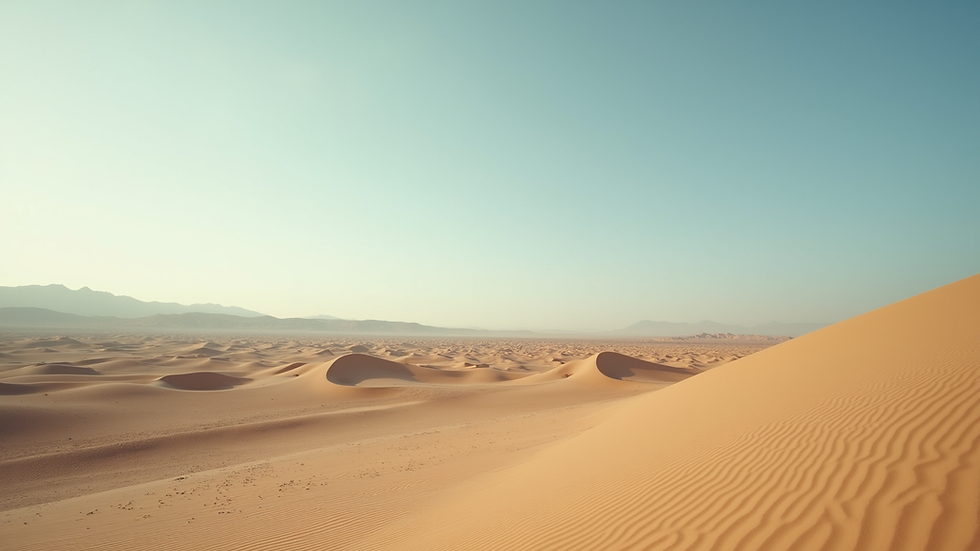
The Kelso Dunes are a highlight of the Mojave Desert, featuring towering sand dunes that can reach heights of up to 650 feet. Visitors can hike to the top for breathtaking views and experience the phenomenon of "singing sand," where the dunes emit a sound when walked upon.
Mojave National Preserve
The Mojave National Preserve is a vast area that showcases the desert's natural beauty. Key attractions include:
Cima Dome: A large, flat-topped mountain covered in Joshua trees.
Kelso Depot: A historic train depot that now serves as a visitor center.
Hole-in-the-Wall: A unique rock formation that offers hiking opportunities and stunning views.
Tips for a Successful Tour
Best Time to Visit
The ideal time to visit the Mojave Desert is during the spring (March to May) and fall (September to November) when temperatures are milder. Summer can be extremely hot, making outdoor activities challenging.
Dress Appropriately
Wear lightweight, breathable clothing and sturdy hiking boots. Don't forget to bring a hat, sunglasses, and sunscreen to protect yourself from the sun.
Stay Hydrated
The dry desert air can lead to dehydration quickly. Carry plenty of water and drink regularly, even if you don't feel thirsty.
Respect Wildlife
Observe wildlife from a distance and do not feed or approach animals. This helps protect both you and the animals.
Conclusion
Exploring the Mojave Desert offers an unforgettable experience filled with stunning landscapes, unique wildlife, and rich history. Whether you choose a guided tour or a self-guided adventure, the desert's beauty is sure to leave a lasting impression. Prepare well, respect the environment, and immerse yourself in the wonders of this remarkable desert. Your adventure awaits!
Comments